01 / Art &
observation
What happens
when an edge softens?
Explore sfumato through an authentic drawing and a simple comparison of tone and contour.
Understand sfumato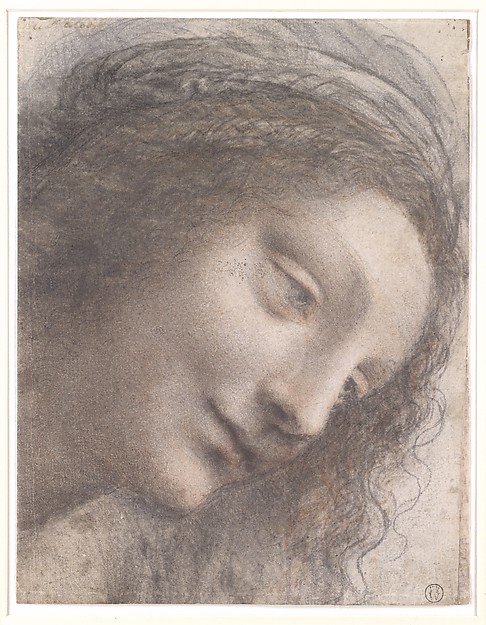

Art · Science · Invention
Look closely.
Follow the idea.
Explore Leonardo’s drawings, understand the thinking behind them, and examine what the evidence lets us say today.
Begin exploringStart here
Leonardo da Vinci (1452–1519) trained as an artist in Florence. His drawings also explored anatomy, nature and machines. Drawing helped him investigate a question, record what he saw and develop an idea.
Here, you can follow a small part of that process. Each feature begins with something you can see, then separates the original evidence from later interpretation.
Historical introduction: Carmen C. Bambach, The Metropolitan Museum of Art.
01 / Art &
observation
Explore sfumato through an authentic drawing and a simple comparison of tone and contour.
Understand sfumato02 / Machines
& ideas
A spiral surface, a turning mast and a difficult question: where would the power and control come from?
Examine the idea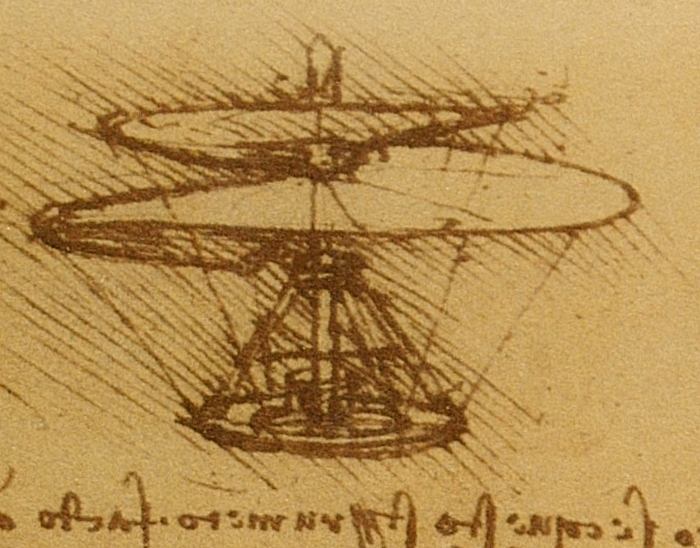
A way into the notebooks
Look for the drawing, notes and manuscript reference. A folio is a sheet: recto is its front; verso is its back.
A modern model can help explain a mechanism, but its builder may have supplied details absent from the drawing.
A moving model, a computer simulation and a working full-size machine establish different things.
The connection to DaVinci
Oscar Acosta’s interest in notebooks, painting and invention is the starting point for this Workshop.